
brain rot
wrestling free from the quagmires of phone addiction

intro
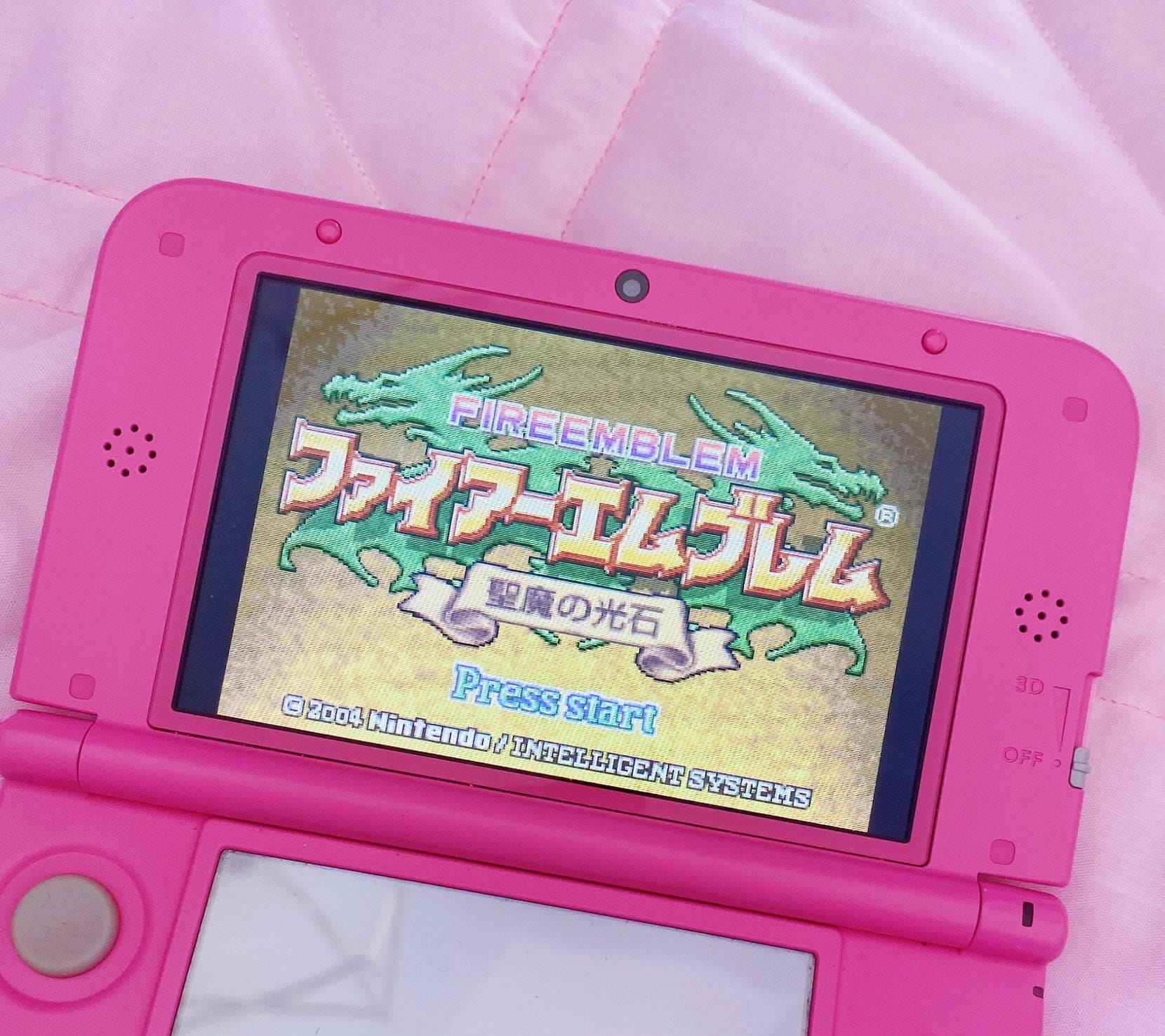
Recently I completed Fire Emblem: Sacred Stones in Japanese. It was a nostalgia-rich experience, fondly revisiting a classic strategy game I had enjoyed in my teens: engaging with thought-provoking puzzles and a cast of lovable characters. I had stalled on it for almost a year, and when I got back to it, I realised I only had about a quarter of the game left: it took me six hours to finish it. This number is significant, because when I finally reached a breaking point with my phone usage earlier this year, it was after a week where my average screentime had surpassed six hours per day. I could have finished Sacred Stones seven times that week. Instead: what did I do? Nothing worth remembering, for sure.
Problematic phone usage has been preying on my mind for a number of years, but I feel like this past six months has brought the problem into sharp relief: the news cycle is more shocking than ever, and social media even more aggressive and relentless. The friends' posts that we joined instagram or twitter for are now bobbing around helplessly in a sea of effluent AI slop, outrageous misinformation, and purposefully provocative rage bait. "Brain rot" was Oxford Word of the Year for 2024, referring to the lethargic cognitive decline characterised by over-consumption of low-value online content. In an insidious system optimised to manipulate our desires, it's very hard to break the cycle. I'm on my own journey to use my phone less– it's a work-in-progress, I don't claim to have all the answers, and I'm not here to preach– but I wanted to put some thoughts out there in two main categories: why succumbing to the compulsion of endless scrolling is so dangerous, and what can be done about it.
problems
choices/control
Would you like the choices about your life to be made by the worst person you know? It's a galling reality that by mindlessly scrolling social media, we are giving the reins of what we put in our brain to unpleasant tech billionaires with a vested interest in keeping us addicted at any cost. Sometimes there is the illusion of curation, but algorithms are constantly manipulating what we see, feeding us content intended to provoke and stupefy. There are enormous departments of people paid dizzying salaries to create systems more addictive than the most famous casinos. Unfortunately, we can't make institutional change to these systems, apart from by talking about it: but we can make changes in our own lives. Attention is the most valuable currency we have. However you spend it, don't you want to be the one who chooses?
time
Imagine that some sort of wish-granting genie visited you and bestowed upon you an unusual boon: henceforth, you will be allowed an extra hour a day. Yes, from now on, you will have 25 hours every day. Wouldn't that be a wonderful gift? How would you spend that extra hour? Yet, studies say that Gen Z Americans are spending an average of nearly 6 and a half hours a day on their phone, with Millennials not much better at 5 and a half. Surely it would be possible to claw back just an hour of that, and be our own wish-granting genie?
We are wasting SO many hours that we could be using differently. Not even "productively", just "purposefully". Spend that time on video games or watching films, if you want! But you could also fit in so much more time with loved ones, study, reading, exercise, time in nature, etc. It goes back to the previous point: all that matters is that you made the choice yourself about how to spend your hours. My imperfect phone-use reduction strategies have already enabled me to read 30 novels in Japanese this year, as well as devote time to studying for the JLPT and sewing myself a new wardrobe.
For some useful (albeit alarming) quick maths, check out this graphic from The Guardian's Reclaim Your Brain newsletter, conveniently presented in phone wallpaper format.
cognitive and emotional impacts
By consuming an endless feed of algorithmically generated emotion-bait, we are actively doing damage to cognitive mechanisms in our brain, which destroys our concentration, manipulates our basest instincts (rage bait, thirst traps etc), and generally does intellectual harm. The cycle of slot-machine-esque endless scrolling leaves us craving stimulation, not wanting to be left alone with our feelings or thoughts for a second. Whether you want to call it meditation, or mindfulness, or just sitting-around-doing-nothing time, having moments alone with our thoughts is essential for mental consolidation, stress reduction, recharging and combating burnout.
Earlier this year I watched a presentation by neuroscientist TJ Power where he explained that the quickly accessible dopamine hits of short form video are actually making long-term achievement feel less rewarding neurologically, therefore killing our drive for hard (read: worthwhile) projects. He also talks in his book about how the rebound from being in this hyperstimulated state results in low mood and depression. A quick browse of /r/digitalminimalism results in many heartrenching stories from people whose phone use has become so problematic that they're even considering suicide.
solutions
I've had several confronting tussles with willpower in the throes of trying to recover from phone addiction. While intellectually knowing all of the above, and desperately wanting to try to improve the situation, the phone-checking compulsion had me installing blocking apps only to find myself googling ways to override them merely hours later, sick with self-loathing.
So firstly, things that didn't help: app-based solutions, or screentime restriction (I would just delete or override). A phone lockbox (didn't use it). Deleting apps and using the mobile browser based versions instead (I easily switched to sinking time into the suboptimal browser experience instead).
Here's what ended up actually working.
the podium
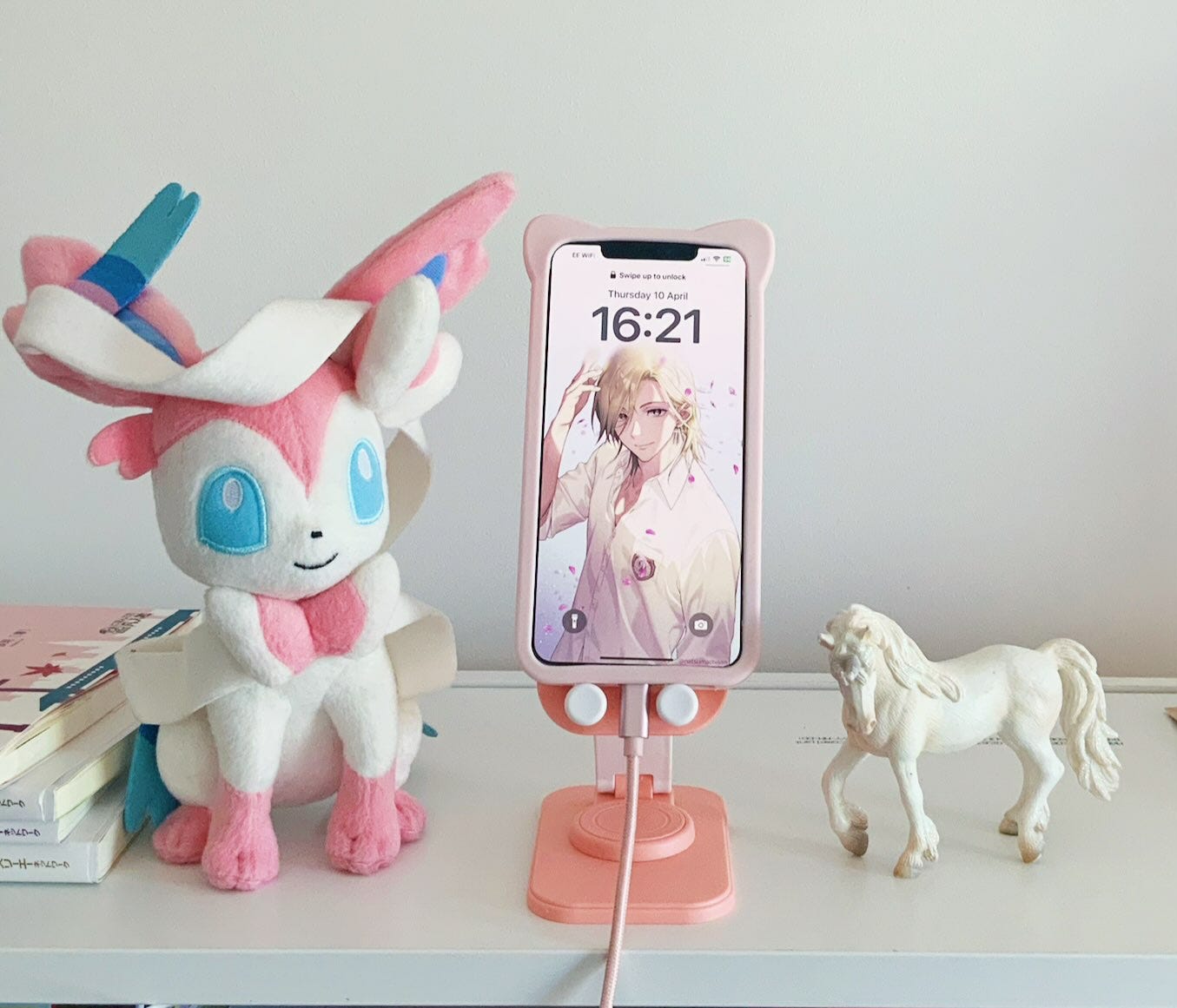
I started off the year with a firm rule that my phone wasn't allowed in my bedroom at all. This was a great start, although it felt unbearable in the beginning, and it eliminated some of the most problematic behaviours (late night maudlin instagram reels browsing, neurotically checking my phone first thing when my eyes snapped open in the morning). I then expanded that to no phone in the bathroom (I would watch youtube shorts until long after the bath water went cold), and then finally culminated to the current situation, which is The Podium. My phone now lives in a single position in my flat, on a bookshelf in my spare room. This means I have to visit my phone if I want to use it, rather than it being constantly in my pocket; and crucially, I have to use it standing up. I have important text notifications and calls sent through to my watch. For email, instagram DMs etc, I use my computer.
informal hierarchy of bed-based activities (no jokes please)
Removing my phone from my bedroom meant that I needed replacement activities to avoid instantly giving into my twitchy-fingered anxiousness and going to retrieve it. I'd love to say that I strictly use my bed for its intended purpose and have developed a monastic level of sleep hygiene now, but the reality is that I spend an awful lot of time in bed fatigued or in pain with chronic illness, and that was the biggest danger zone for mindless scrolling (of course, it ended up making me feel more tired and generally worse). So instead, I have a hierarchy of activities I can do in bed which go from higher energy/less pain to lower energy/more pain. It goes like this:
read kindle→ play DS→ listen to audiobook/drama cd→ SLEEP
Importantly, all of these things are disconnected from the internet, and they're all things that I've chosen I want to spend time on in advance. None of them are anywhere near as stimulating as a glowing rectangle of endless entertainment, and I find myself choosing sleep a lot more often.
alternatives on the go
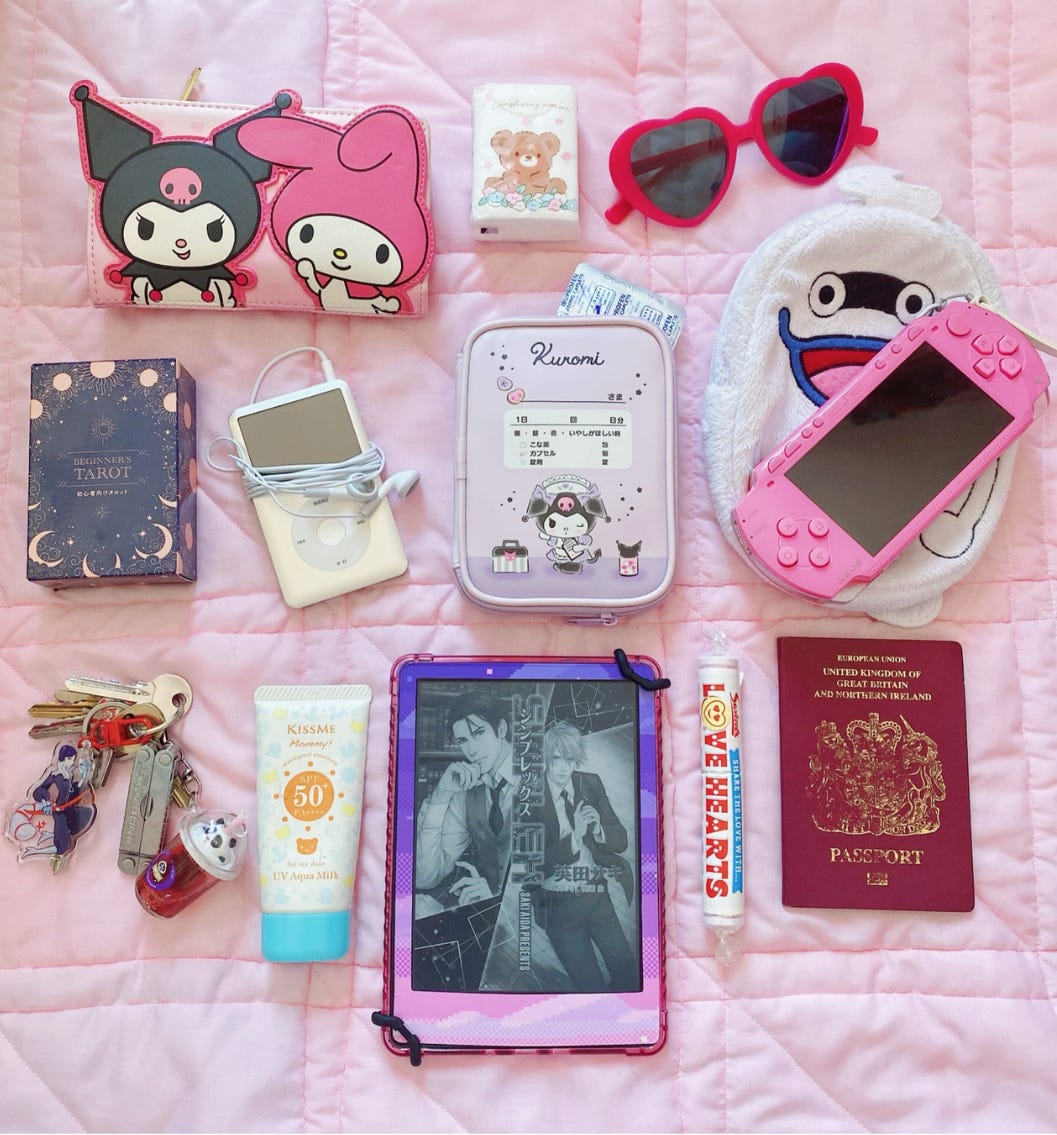
Just like the bed thing, it's also important to have alternatives for when you're out and about: waiting for an appointment, on public transport, or just generally have time to kill. I keep a portable games console plus the current book I'm reading in my rucksack, and leave my phone at the bottom, under my cardigan. There's also an element of just learning to be comfortable with being bored for short periods of time.
A realisation I had on a sunny afternoon in a GP surgery car park recently helped me reframe things. I was waiting to meet someone, and I knew I wouldn't be sat there for much longer than ten minutes maximum. Of course, as soon as my bottom hit the bench, I felt the desire to rummage in my bag to get my phone out, to start scrolling. My rational mind hit in, reminding me of my goals, the promises I had made myself, so I stopped, and pulled out the book I had with me instead. The thing was: I had already finished the book earlier that day. I instantly thought "Well, I can't read this book again, I've already read it, I won't learn anything new from it." And then rapidly, a second thought: "But if I scroll instagram, would I learn anything new from THAT? Have I ever finished a public ten minute reels session feeling enriched and edified?"
I realised that both choices were actually equal in that sense. Neither were going to be adding anything new or valuable to my life. BUT if I flicked through the book I had already read, I knew that it would a) not aggravate me, and b) not contribute to the dopamine resistance that TJ Power talked about that triggers when you indulge in short-form video.
So I started reading the book again! Or I could have just sat there and done nothing; stared at the sky or the gravel, the true neutral option. Either way, it made me realise that it's not the end of the world to not be continuously stimulated. And this experience represented the reclaiming of choice, too. I chose to re-read the book, rather than going on instagram where someone else is making the choices about what I'm going to be shown.
maintaining social connections
I was lucky enough that when I said I was taking a break from instagram, a lot of my dear friends wanted to stay in touch elsewhere. Fear of losing these friends was an enormous factor in not taking the plunge of deleting the apps sooner: my main social group has been online since the pandemic. Happily, I was surprised that the slightly extra effort involved in messaging elsewhere has actually improved a lot of these relationships, and now in some cases I'm even looking forward to regular phone calls to catch up with these friends and set the world to rights, when previously our relationship wasn't much deeper than flame-emoji reacting to their stories. I can honestly say I feel far LESS lonely than I did when I was on instagram.
If this is a worry of yours too, then you're absolutely not alone. The first thing I would suggest is opening up conversations with the people you feel you would miss if you didnt talk to them anymore (even if it feels weird and intense at first), explaining that you want to be more intentional about phone use and that they're important enough to you that you'd like to make it work in a different medium: discord, email, text messages, etc. You might be surprised how many people are feeling exactly the same.
doing the science
If you still need a wakeup call to turbo-charge your willpower, you can always try doing a few calculations or experiments. First of all, take a frank look at your screentime and subtract the amount of that which feels essential (maps, podcasts, camera, texting your mum). Multiply the resulting number by 31, or 365, and see firsthand how much of your life you're losing per month or year to unintentional phone use. If you feel overwhelmed with a gnawing sense of dread in the pit of your stomach after doing this maths, well, me too: use it to fuel the change you know you're capable of.
Another thing is breaking the misconception that scrolling time is a treat, a reward for your breaks. Try setting a timer for ten minutes, and spending that time fully indulging in your poison of choice. Afterwards, take a note of how you feel. Is it rejuvenated, relaxed, and ready to get back to some deep work? I know I wasn't feeling that way. I was leaving these scrolling sessions feeling more frazzled, ambiguously uncomfortable, and frustrated. When I confronted that reality it was far easier for me to stick to my phone-free commitments.
closing thoughts
Originally, I was going to write here that I don't think that it's necessarily possible or even desirable to cut out all smartphone usage. But since starting to write this post, I read August Lamm's pamphlet You Don't Need A Smartphone, which I found so informative and convincing that now I'm starting to sympathise with the stance of going entirely smartphone-free.
Either way, the crux of the matter is who's in charge: you, or the phone. If you're starting to feel like it genuinely might be the phone: eg. you find yourself procrastinating things you know you want or have to do, you can't concentrate on anything for 5 minutes without feeling twitchy or anxious, and your phone is disrupting your sleep or human relationships... perhaps it's time to reevaluate. That was definitely the point I was at earlier this year; where instagram rapidly started to feel less like I was hanging out with my cool friends and more like I was taking microdoses of psychic damage from an evil warlock. But the balance is shifting, and now I finally feel like I'm the one steering the ship. I feel more relaxed and fulfilled, I get better rest, and I've found time for all sorts of more fulfilling projects. My online-only relationships are almost entirely intact, in some cases even becoming deeper by switching to a more intentional form of contact. And all of the evidence from the sources I've linked in this post point to optimistic outcomes for reversing the cognitive damage done by previous phone use.
Change is possible. Don't let the years pass you by. I'm rooting for you.
What a great post! It’s certainly a constant struggle fighting against the engineered phone addiction. I won’t say I’ve mastered it myself but even steps like deleting social apps/accounts or physically putting my phone at a distance while reading (so I have to stand up and walk to it) do make a difference.
Personally for me, getting to that mind shift where my brain switches from the desire to want to scroll on my phone to wanting to do other things (I really want to read right now, I really want to paint right now, etc.) is a good sign. I still have that urge to scroll on instagram for pretty art but have been doing better about closing out of news feeds when it starts getting too overwhelmingly negative.
Absolutely agree with all of this !!! It’s so strange how we once used to have no problem with sitting in silence and now we can’t handle it …